Exploring Blockchain Use Cases Across Industries
What is Blockchain Technology?
Blockchain is a decentralized, distributed ledger technology that securely records transactions across multiple computers in a network. Each transaction, or “block,” is cryptographically linked to the previous one, forming a chronological chain of blocks. This structure ensures that once a transaction is recorded, it cannot be altered or deleted without consensus from the network participants. Blockchain technology eliminates the need for intermediaries by providing a transparent, tamper-proof record of transactions. It is often associated with cryptocurrencies like Bitcoin, but its applications extend beyond digital currencies to industries such as finance, supply chain management, healthcare, and real estate. Overall, blockchain revolutionizes data management by enabling trust, transparency, and efficiency in various sectors.
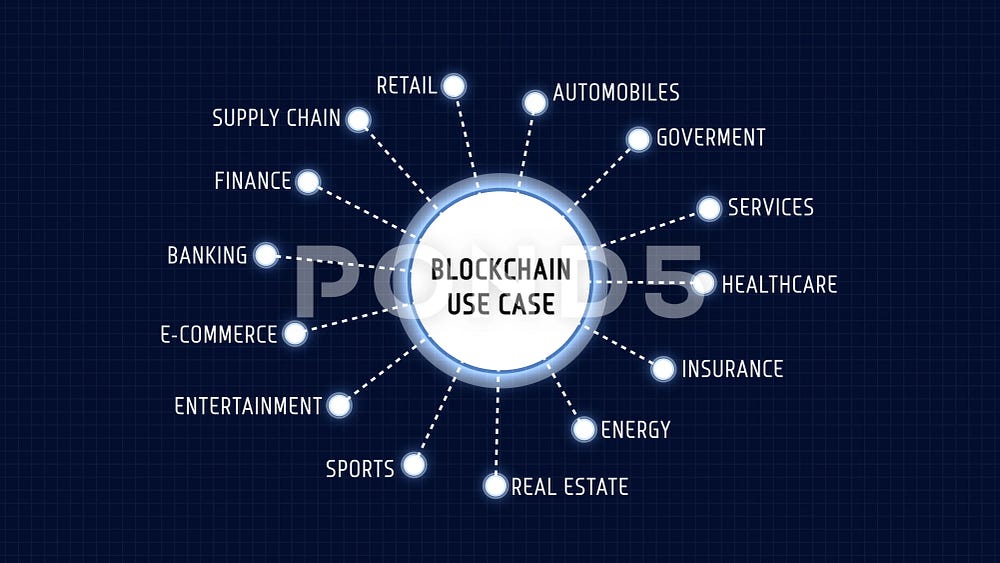
Blockchain Use Cases
Blockchain, the distributed ledger technology behind cryptocurrencies like Bitcoin, has transcended its initial application to revolutionize various industries. From finance to healthcare, supply chain management to real estate, blockchain is driving innovation and reshaping traditional processes. Let’s delve into some prominent blockchain use cases across different sectors.
Blockchain in Real Estate
The real estate industry faces challenges related to transparency, fraud prevention, and cumbersome paperwork. Blockchain offers a solution by providing a transparent and immutable record of property transactions. Smart contracts automate and streamline processes such as property sales, lease agreements, and title transfers, reducing the risk of fraud and ensuring secure, tamper-proof documentation.
Additionally, blockchain-based property tokenization enables fractional ownership, allowing investors to buy and trade shares of real estate assets seamlessly. This enhances liquidity in the market and opens up investment opportunities to a broader audience.
Blockchain in Supply Chain Management
In supply chain management, maintaining transparency and traceability of goods from manufacturer to end-consumer is crucial. Blockchain facilitates this by creating a decentralized, immutable ledger of transactions and product movements. Each step in the supply chain, from raw material sourcing to product delivery, is recorded on the blockchain, providing stakeholders with real-time visibility into the entire process.
This transparency helps prevent counterfeit goods, reduce supply chain errors, and ensure compliance with regulatory standards. Moreover, blockchain-enabled smart contracts automate payment and fulfillment processes, reducing administrative overhead and optimizing supply chain efficiency.
Blockchain in Finance
The financial sector has embraced blockchain technology to streamline processes, enhance security, and reduce costs. Blockchain-based cryptocurrencies enable fast and low-cost cross-border transactions, eliminating intermediaries and reducing transaction fees. Moreover, blockchain platforms facilitate peer-to-peer lending, crowdfunding, and remittance services, democratizing access to financial services for underserved populations.
In addition to payments, blockchain is revolutionizing other areas of finance such as asset tokenization, trade finance, and identity verification. Smart contracts enable automated execution of financial agreements, reducing the risk of fraud and enhancing trust between parties.
Blockchain in Healthcare
In healthcare, maintaining the integrity and privacy of patient data is paramount. Blockchain technology ensures secure storage and sharing of medical records, enabling authorized healthcare providers to access patient information securely. Patients have greater control over their data, granting permission for specific parties to access and update their records while maintaining anonymity and confidentiality.
Blockchain also facilitates drug traceability, ensuring the authenticity and quality of pharmaceutical products throughout the supply chain. By recording each transaction on an immutable ledger, blockchain helps prevent counterfeit drugs and ensures compliance with regulatory requirements.
Blockchain in Insurance
The insurance industry is embracing blockchain to streamline processes, enhance transparency, and mitigate fraud. Smart contracts automate insurance claims processing, reducing paperwork and expediting claim settlement. Immutable records stored on the blockchain provide verifiable proof of insurance coverage and claims history, reducing disputes and improving trust between insurers and policyholders.
Blockchain-based parametric insurance products use real-time data feeds to trigger automatic payouts based on predefined conditions, such as natural disasters or flight delays. This improves the speed and efficiency of claims processing, ensuring timely compensation for policyholders.
In conclusion, blockchain technology offers a myriad of use cases across industries, from enhancing transparency and security to streamlining processes and reducing costs. As businesses continue to explore the potential of blockchain, we can expect further innovation and disruption in traditional workflows, driving efficiency and creating new opportunities for growth.


Comments
Post a Comment