AI-Driven Talent Management in Healthcare: Solving Critical Workforce Challenges
Healthcare organizations face unprecedented workforce challenges that threaten care delivery quality and operational sustainability. Clinical talent shortages, burnout-driven turnover rates exceeding 30% in nursing specialties, and intensifying competition for specialized medical professionals have created workforce crises that traditional recruitment and retention strategies cannot resolve. The complexity of healthcare talent management extends beyond typical corporate HR functions—credentialing requirements, shift scheduling constraints, patient safety dependencies, and regulatory compliance frameworks demand specialized workforce solutions. AI-Driven Talent Management technologies specifically designed for healthcare environments are emerging as the strategic response to these multifaceted challenges, enabling health systems to optimize talent acquisition, reduce employee churn, and build resilient clinical workforces capable of delivering exceptional patient outcomes.
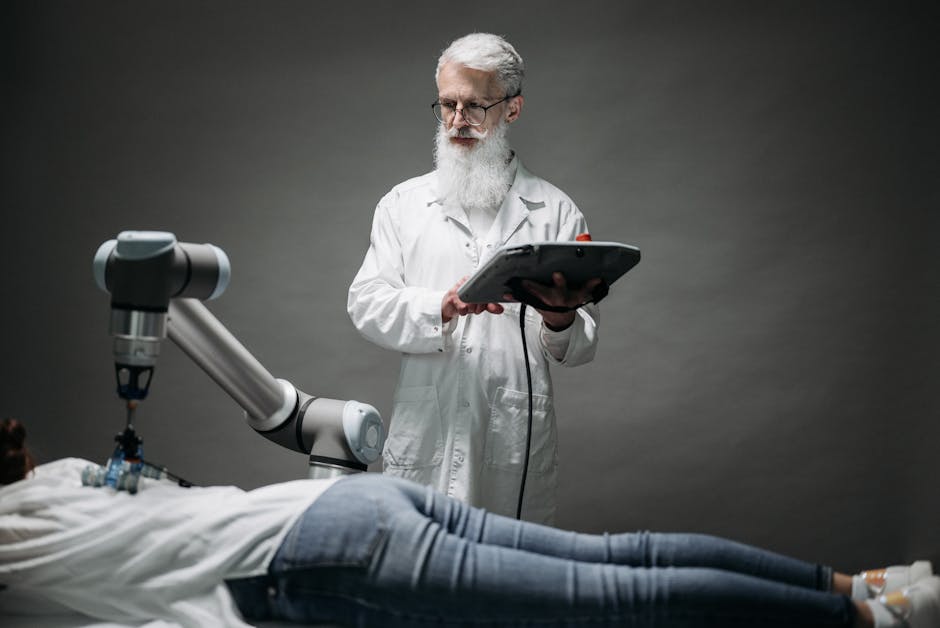
The application of AI-Driven Talent Management within healthcare settings addresses industry-specific pain points that generic HR platforms cannot adequately serve. Nurse staffing optimization algorithms balance patient acuity levels, certification requirements, shift preferences, and fatigue management protocols to create schedules that maintain care quality while reducing burnout risk. Physician recruitment systems analyze subspecialty needs, geographic coverage gaps, and call schedule sustainability to prioritize hiring strategies that strengthen clinical service lines. Allied health professional development platforms map competency requirements across hundreds of specialized roles—from respiratory therapists to imaging technologists—ensuring skills inventory aligns with evolving care delivery models. These healthcare-specific applications demonstrate how AI talent technologies adapt to industry complexity rather than forcing clinical organizations into corporate HR frameworks.
Clinical Talent Acquisition in Competitive Healthcare Markets
Healthcare talent acquisition teams navigate challenges unknown in other industries—verifying medical licenses across multiple states, confirming board certifications, validating clinical privileging requirements, and ensuring National Practitioner Data Bank compliance before extending offers. AI-Powered Recruitment platforms designed for healthcare automate these credentialing workflows, reducing time-to-start for physicians from 90-120 days to 45-60 days while maintaining rigorous compliance standards. The acceleration of credentialing processes translates directly to revenue impact, as each week of delayed physician onboarding represents $25,000-$40,000 in lost clinical productivity for high-volume specialties.
Predictive analytics models assess candidate fit using healthcare-specific variables—trauma center experience, electronic health record system proficiency, value-based care orientation, and interdisciplinary collaboration competencies. These specialized algorithms achieve higher accuracy in healthcare settings compared to generic talent assessment tools because they incorporate clinical practice patterns and patient outcome correlations into candidate evaluation frameworks. Health systems using AI-enhanced recruitment report 28% improvement in physician retention rates and 34% higher patient satisfaction scores for providers identified through algorithmic matching processes.
Nursing talent acquisition presents unique challenges given the 200,000+ annual nursing shortage projected through 2031. AI-Driven Talent Management systems for nursing recruitment analyze career trajectory patterns, specialty certification pathways, and geographic preference indicators to identify candidates most likely to accept offers and achieve long-term retention. Workforce Analytics platforms track nursing school partnerships, residency program outcomes, and internal advancement patterns to optimize talent pipeline development. Healthcare organizations leveraging these insights reduce nursing vacancy rates by 18-23% while decreasing reliance on expensive temporary staffing agencies.
AI-Powered Solutions for Clinical Workforce Optimization
The operational complexity of healthcare workforce management exceeds most other industries due to 24/7 care requirements, fluctuating patient census patterns, and clinical competency matching needs. Advanced scheduling algorithms balance nurse-to-patient ratios, specialty certifications, shift rotation equity, and fatigue management protocols while adapting to real-time census changes and unexpected call-offs. These intelligent AI platforms reduce scheduling administrative time by 60-70% while improving schedule satisfaction scores by 41% according to implementations across multi-hospital systems.
AI-Driven Talent Management platforms optimize clinical staffing costs without compromising care quality by predicting census patterns 72-96 hours in advance with 87% accuracy. These forecasting models analyze historical admission trends, seasonal variation patterns, community health indicators, and regional event schedules to anticipate staffing needs before demand spikes occur. Proactive staffing adjustments reduce overtime expenses by 22-29% while maintaining appropriate nurse-to-patient ratios that correlate with better patient safety outcomes and lower readmission rates.
Competency-based scheduling ensures that patient care requirements align with clinical team capabilities. AI algorithms match patient acuity levels, procedure complexity, and specialized care protocols with nursing certifications, experience levels, and demonstrated competency assessments. This precision staffing approach improves patient outcomes—studies document 17% reduction in adverse events and 12% decrease in length-of-stay metrics when competency-matched staffing is implemented. The systems also identify skills development opportunities by revealing competency gaps that require targeted clinical education interventions.
Addressing Healthcare Employee Turnover Through Predictive Analytics
Healthcare employee turnover imposes extraordinary costs—replacing a single registered nurse costs $40,000-$64,000, while physician replacement expenses range from $500,000 to $1.2 million when considering recruitment fees, onboarding time, productivity ramp-up, and lost patient relationships. AI-Driven Talent Management systems predict turnover risk by analyzing engagement survey responses, scheduling equity metrics, shift bid patterns, and professional development participation rates. Early identification of at-risk clinical staff enables targeted retention interventions that preserve valuable talent and institutional knowledge.
Burnout represents the primary driver of healthcare turnover, with 42% of nurses and 38% of physicians reporting burnout symptoms in recent workforce surveys. Workforce Optimization algorithms monitor workload distribution, consecutive shift patterns, mandatory overtime frequency, and vacation utilization to identify burnout risk indicators before resignation occurs. Health systems implementing AI-supported wellbeing monitoring reduce nursing turnover rates by 2.8-4.1 percentage points—improvements that generate $3.2-$6.8 million in retained value for 1,000-bed hospital systems.
Career development opportunities significantly influence healthcare retention, particularly among millennial and Gen Z clinical professionals who prioritize skill advancement and leadership pathways. AI talent platforms analyze career progression velocity, certification achievement patterns, and leadership potential indicators to create personalized development roadmaps. Nurses and allied health professionals receiving AI-recommended development plans demonstrate 47% higher retention rates compared to those without structured career pathways. These systems also improve internal mobility by identifying lateral move opportunities that prevent talented clinicians from leaving organizations due to perceived lack of advancement options.
Skills Inventory and Succession Planning for Clinical Leadership
Healthcare organizations require specialized leadership competencies—clinical credibility, regulatory knowledge, quality improvement expertise, and physician relationship management skills that cannot be developed quickly through external hiring. AI-Driven Talent Management platforms map leadership bench strength across nurse manager, medical director, and executive roles by assessing clinical expertise, management experience, strategic thinking capabilities, and change leadership competencies. These succession planning systems identify high-potential clinical leaders 18-24 months before critical role vacancies occur, enabling deliberate development interventions that prepare internal candidates for advancement.
The nursing leadership pipeline presents particular succession planning challenges as experienced nurse managers approach retirement while fewer bedside nurses pursue management tracks. Predictive analytics identify nurses with leadership aptitude by analyzing peer influence patterns, committee participation, preceptor effectiveness, and conflict resolution capabilities demonstrated in daily practice. Organizations using AI-supported nursing leadership development report 34% increase in internal nurse manager promotions and 28% reduction in management position vacancy duration.
Physician leadership succession planning requires nuanced assessment of clinical excellence, peer respect, business acumen, and collaborative leadership style. AI algorithms analyze medical staff committee contributions, peer review outcomes, quality metric performance, and interdisciplinary team feedback to identify physicians with leadership potential. Early identification enables tailored physician leadership development programs that build administrative competencies while preserving clinical practice engagement. Health systems implementing these approaches reduce physician executive search costs by 41% while improving leadership transition success rates.
Employee Experience Management in Healthcare Settings
Clinical employee experience differs substantially from corporate environments due to emotionally demanding work, life-and-death decision pressures, and direct patient care responsibilities that create unique stressors. AI-enhanced employee engagement platforms designed for healthcare capture sentiment data from shift huddles, unit-based councils, and continuous pulse surveys to provide real-time experience insights. Natural language processing analyzes feedback themes to identify systemic issues—inadequate staffing support, equipment availability problems, or interdisciplinary communication breakdowns—that negatively impact clinical employee experience.
The Employee Experience Index for healthcare workers incorporates specialized metrics including moral distress scores, workload sustainability indicators, clinical autonomy assessments, and patient outcome alignment perceptions. Organizations monitoring these healthcare-specific experience dimensions implement targeted interventions that improve clinical workplace culture. Implementations of AI-driven experience management in hospital systems correlate with 23% improvement in engagement scores and 19% reduction in voluntary turnover among direct patient care staff.
Onboarding automation for clinical roles accelerates competency validation, unit integration, and relationship building that determine new hire success. AI-Driven Talent Management platforms create personalized onboarding experiences based on previous clinical experience, specialty background, and learning style preferences. Healthcare organizations using adaptive onboarding report 31% faster time-to-independent-practice for new nurses and 26% higher 12-month retention rates compared to standardized orientation programs. These improvements reduce the substantial investments lost when newly hired clinical staff depart during their first year.
Conclusion: Strategic Imperative for Healthcare Workforce Transformation
The healthcare industry's workforce challenges demand specialized AI-Driven Talent Management solutions that address clinical complexity, regulatory requirements, and care quality dependencies that generic HR platforms cannot adequately serve. Health systems implementing AI-powered talent acquisition, predictive retention analytics, competency-based scheduling, and succession planning specifically designed for clinical environments demonstrate measurable improvements in recruitment efficiency, turnover reduction, and workforce optimization. As healthcare talent shortages intensify and competition for clinical professionals escalates, organizations that leverage AI Talent Management Solutions tailored to healthcare workflows will build the resilient, engaged, and highly competent clinical teams essential for delivering exceptional patient care while achieving operational sustainability in increasingly challenging market conditions.


Comments
Post a Comment