Inside Smart Manufacturing Automation: How Modern Factories Actually Work
Walk onto any advanced production floor today and you'll witness a symphony of synchronized systems that would have seemed like science fiction a decade ago. CNC machines adjust parameters in real-time, predictive maintenance algorithms flag bearing wear before failure occurs, and MES platforms orchestrate production schedules across multiple lines simultaneously. This isn't futuristic speculation—it's the operational reality of modern manufacturing, where digital and physical systems converge to create unprecedented levels of efficiency and precision.
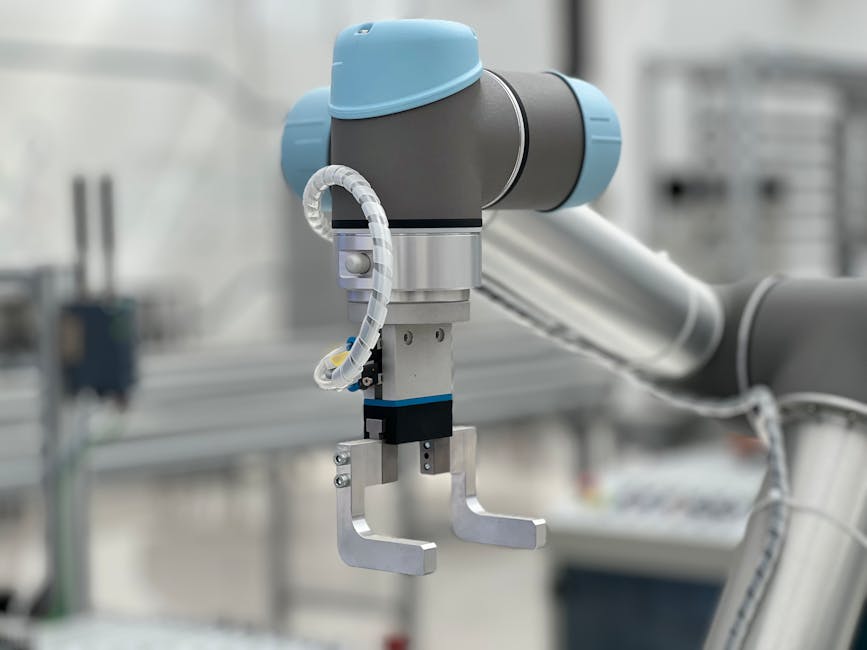
The transformation happening across manufacturing facilities worldwide is fundamentally reshaping how we approach production planning, quality control, and operational efficiency. Smart Manufacturing Automation represents a comprehensive integration of IIoT sensors, advanced analytics, and automated control systems that work together to optimize every aspect of the production process. Understanding how these components actually function—and more importantly, how they integrate—is essential for anyone working in manufacturing execution systems, production planning, or process optimization roles.
The Foundation Layer: Data Acquisition and Sensor Networks
At the base of any Smart Manufacturing Automation implementation sits the data acquisition infrastructure. This isn't simply a matter of installing sensors randomly across the shop floor. The architecture requires strategic placement of IIoT devices that capture specific process parameters at precisely the right intervals. Temperature sensors monitor thermal conditions in heat treatment processes with millisecond precision. Vibration sensors on rotating equipment detect harmonic patterns that signal bearing degradation weeks before catastrophic failure. Vision systems inspect thousands of components per hour, identifying defects that would escape human detection.
What makes this infrastructure truly powerful is the edge computing layer that processes data locally before transmission to central systems. When a stamping press completes a cycle, edge devices immediately analyze force curves, stroke timing, and die temperature. Deviations trigger instant adjustments to hydraulic pressure or cycle speed without waiting for cloud-based analytics. This distributed intelligence architecture reduces latency from seconds to milliseconds—critical when production lines operate at speeds where a second of delay translates to dozens of defective parts.
The communication protocols connecting these sensors follow industrial standards like OPC-UA, MQTT, and Ethernet/IP. Unlike consumer IoT devices, Industrial Automation Systems demand deterministic communication with guaranteed delivery times. A temperature reading from a polymer extrusion process must arrive at the control system within a defined time window, or the entire batch risks quality issues. This level of reliability requires purpose-built industrial networks with redundant pathways and priority queuing for critical data streams.
The Control Layer: SCADA and Real-Time Process Management
Raw sensor data becomes actionable through SCADA systems that provide real-time visualization and control across distributed manufacturing operations. Modern SCADA platforms have evolved far beyond the simple status dashboards of earlier generations. They now incorporate advanced analytics that correlate hundreds of process variables simultaneously, identifying patterns that indicate emerging quality issues or efficiency opportunities.
Consider how a SCADA system manages a continuous chemical process. Dozens of temperature, pressure, flow, and composition sensors feed data into control algorithms every second. The system doesn't simply monitor these values against fixed thresholds—it analyzes the relationships between variables. When reactor temperature rises, the system anticipates the corresponding pressure increase and preemptively adjusts cooling water flow. This predictive control approach maintains tighter process tolerances than reactive human operators could achieve.
Integration with MES Platforms
The real power emerges when SCADA systems integrate with Manufacturing Execution Systems. While SCADA manages real-time process control, MES orchestrates production scheduling, material tracking, and quality documentation. When a production order enters the MES, it automatically generates machine programs, reserves materials from inventory management systems, and configures quality inspection parameters. As production progresses, SCADA data flows into MES for genealogy tracking—creating a complete digital record of every process parameter that influenced each finished product.
This integration enables capabilities that transform manufacturing operations. When quality issues appear in finished goods, engineers can trace back through the production genealogy to identify exactly which raw material lot, machine settings, and environmental conditions were present. This root cause analysis that once took days of manual investigation now completes in minutes through intelligent analytics platforms that correlate production data with quality outcomes.
The Intelligence Layer: Advanced Analytics and Machine Learning
Data acquisition and control systems capture and manage production processes, but the intelligence layer extracts insights that drive continuous improvement. Manufacturing Intelligence Platforms apply machine learning algorithms to historical production data, identifying optimization opportunities that aren't apparent through traditional statistical methods.
Predictive maintenance exemplifies this capability. Traditional maintenance follows fixed schedules—replace bearings every 5,000 operating hours regardless of actual condition. Smart Manufacturing Automation monitors vibration signatures, operating temperatures, and power consumption patterns to assess actual equipment health. Machine learning models trained on thousands of bearing failure events recognize the specific vibration frequency patterns that precede failure by 2-3 weeks. Maintenance teams receive alerts with predicted failure dates and confidence intervals, enabling precise scheduling that minimizes both unexpected downtime and unnecessary preventive maintenance.
Quality prediction represents another transformative application. By analyzing the correlation between process parameters and final product quality, algorithms identify the specific combinations of temperature, pressure, speed, and material properties that produce optimal results. When sensor data indicates process drift toward quality boundaries, automated systems adjust parameters to maintain output within specifications. This closed-loop quality control reduces scrap rates while simultaneously tightening product consistency.
OEE Optimization Through Behavioral Analytics
Overall Equipment Effectiveness has long been the standard metric for manufacturing performance, but Smart Manufacturing Automation takes OEE analysis to unprecedented depths. Rather than simply calculating availability, performance, and quality percentages, advanced systems analyze the behavioral patterns behind OEE losses. Machine learning algorithms identify correlations between operator actions, material characteristics, setup procedures, and equipment efficiency. These insights guide targeted improvement initiatives—perhaps specific training for setup procedures, refined material specifications, or equipment modifications that address root causes of performance losses.
The Orchestration Layer: Production Scheduling and Supply Chain Integration
The most sophisticated Smart Manufacturing Automation implementations extend beyond individual production processes to orchestrate entire supply chains. Advanced planning and scheduling systems incorporate real-time production data, material availability, demand forecasts, and capacity constraints to generate optimized production schedules that adapt continuously to changing conditions.
When a supplier notifies the system of a material delay, the scheduling engine immediately evaluates alternative production sequences that maintain customer delivery commitments while minimizing changeover costs. When unexpected equipment downtime occurs, the system redistributes work across available capacity, adjusting downstream production schedules and proactively notifying affected stakeholders. This dynamic replanning capability transforms manufacturing from a rigid process following fixed schedules to an agile system that responds fluidly to disruptions.
Integration with ERP systems closes the loop between financial planning and operational execution. Production completion data flows automatically into inventory management and cost accounting systems. Material consumption data updates procurement forecasts. Equipment utilization metrics inform capital investment decisions. This seamless data flow eliminates the manual reconciliation that traditionally consumed hours of administrative effort while introducing delays and errors.
The Security and Governance Framework
Behind every Smart Manufacturing Automation system runs a comprehensive security and governance framework that protects operational technology from cyber threats while ensuring data integrity for regulatory compliance. Industrial control systems face unique security challenges—many connected devices lack built-in security features, and production continuity requirements prevent the frequent patching cycles common in IT environments.
Modern implementations employ defense-in-depth strategies with network segmentation isolating control systems from corporate networks and the internet. Intrusion detection systems monitor industrial protocols for anomalous communication patterns. Application whitelisting prevents unauthorized code execution on control computers. Regular vulnerability assessments identify and mitigate security weaknesses before exploitation.
For regulated industries, the automation infrastructure must maintain complete audit trails demonstrating compliance with quality standards and safety regulations. Every process parameter adjustment, every quality inspection result, every material lot consumed gets timestamped and cryptographically signed to prevent tampering. This digital chain of custody provides the documentation required for regulatory submissions while enabling rapid response to quality investigations or product recalls.
Conclusion
Understanding how Smart Manufacturing Automation actually functions reveals why this technology represents such a fundamental shift in manufacturing capabilities. It's not simply about automating individual tasks—it's about creating an integrated intelligence that spans from sensor-level data acquisition through real-time process control to enterprise-wide optimization. The companies successfully implementing these systems—Siemens, Rockwell Automation, GE Digital, and others—demonstrate measurable improvements in OEE, quality consistency, and operational costs. For manufacturing professionals, developing deep knowledge of how these systems work together isn't optional—it's essential for remaining competitive in an industry where AI Manufacturing Solutions continue advancing the boundaries of what's possible in production environments.


Comments
Post a Comment