AI Driven Enterprise Operations Transform Discrete Automotive Manufacturing
Discrete automotive manufacturing, characterized by the production of distinct items such as cars and auto parts, faces unique challenges in today's rapidly evolving technological landscape. AI Driven Enterprise Operations offer promising solutions to address these complexities by streamlining processes and enhancing operational efficiency.
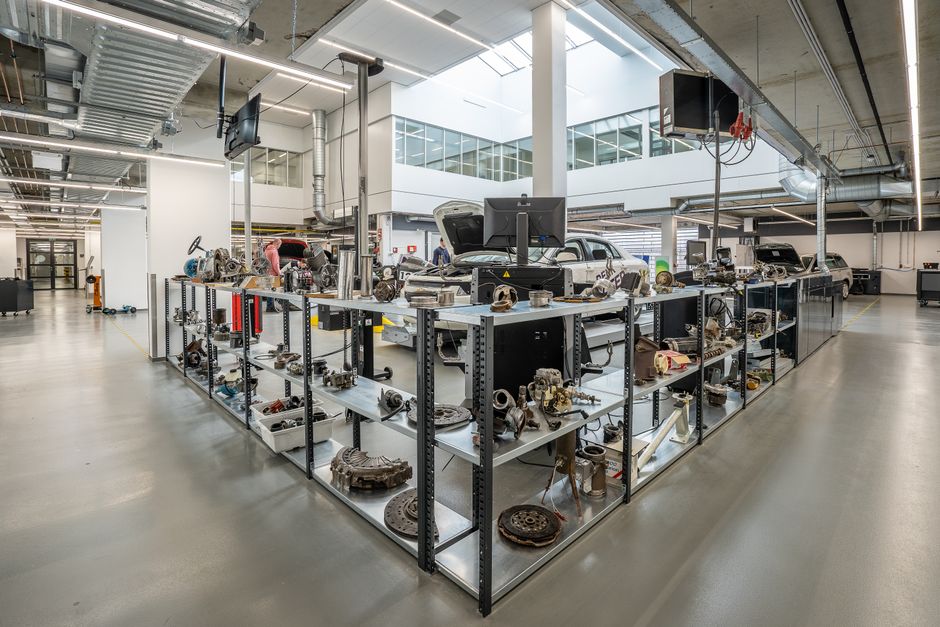
As demonstrated by firms like Toyota and Ford, AI Driven Enterprise Operations play a significant role in transforming conventional manufacturing models through AI integration. This article focuses on how AI technologies are being applied specifically within the discrete automotive manufacturing sector, revolutionizing processes from Procurement to Product Lifecycle Management.
Procure-to-Pay Transformation with AI
Through advanced machine learning algorithms, AI is reshaping the Procure-to-Pay landscape by automating routine tasks and improving precision in Inventory Management and Supplier Quality Management. The adoption of AI leads to reduced cycle times and decreased costs, enhancing overall procurement efficiency.
Enhancing Quality Assurance with AI
AI-Powered Quality Control
AI technologies such as Statistical Process Control (SPC) and Production Part Approval Process (PPAP) are crucial in achieving high-quality standards in automotive manufacturing. By leveraging AI, manufacturers can detect defects in real-time, thus minimizing costs associated with product recalls and warranty issues.
- Increased defect detection accuracy
- Real-time data tracking
For manufacturers looking to integrate AI solutions that align with their specific needs, custom AI development strategies provide a pathway to tailor these technologies effectively.
Conclusion
The discrete automotive manufacturing sector stands at the forefront of technological transformation with AI-driven processes. As these technologies continue to evolve, leveraging Intelligent Automation Solutions becomes essential for manufacturers aiming to enhance operational efficiencies and gain competitive advantages.


Comments
Post a Comment